Manto

Brand Guidelines

COLOR

Manto brings together fans of all stripes. That’s why our signature palette rides on contrast, pitting bright Manto against deep tones to drum up that game-time tension we know and love.

Primary palette

The primary palette holds the core colors of our identity. Black, a neutral, sets an even playing field as our background color, and it’s interrupted by Manto, if you will, of Manto Aqua. White, the shade of the foam created by a really big Manto, tops off our palette as our text color.


Name: MantoAqua  
CMYK: 68/0/4/8
RGB: 75/235/226
HEX: #4BEBE2 PMS: 3252 C

Name: Black
CMYK: 0/0/0/90
RGB: 26/26/26
HEX: #1A1A1a
PMS: 419 C

Secondary palette

These saturated colors should be used as spots and blocks. Pops of color from illustrations can sit against a block of background color. To avoid overload, only use one secondary color in a single composition.

Partners should not use the secondary palette.

Proportion

Balancing color keeps our identity cohesive. When using the palette in any context, reference the proportion of colors below. Use a maximum of three colors to keep the party from getting too crazy, and also ensure anything we create is able to be tied back to our brand.

27%

27%

26%

5%

5%

5%

5%

Combinations

Some colors work better together than others. Pull from this diagram for approved color combinations.

Gradients

You can use the Manto color palette to create useful gradients for compositions. Make sure your gradients don’t take focus away from the composition’s main subject or messaging.


You can create gradients between Manto Aqua, black, and white. It’s fine to use a gradient with Manto Aqua and spot color, as long as focus remains on the subject.

Gradients should be only a background element, not the emphasis of a composition.

You can overlay gradients onto photography to create interesting new photographic designs.

Don’t overuse gradients. Only use a gradient as an overlay once per composition.

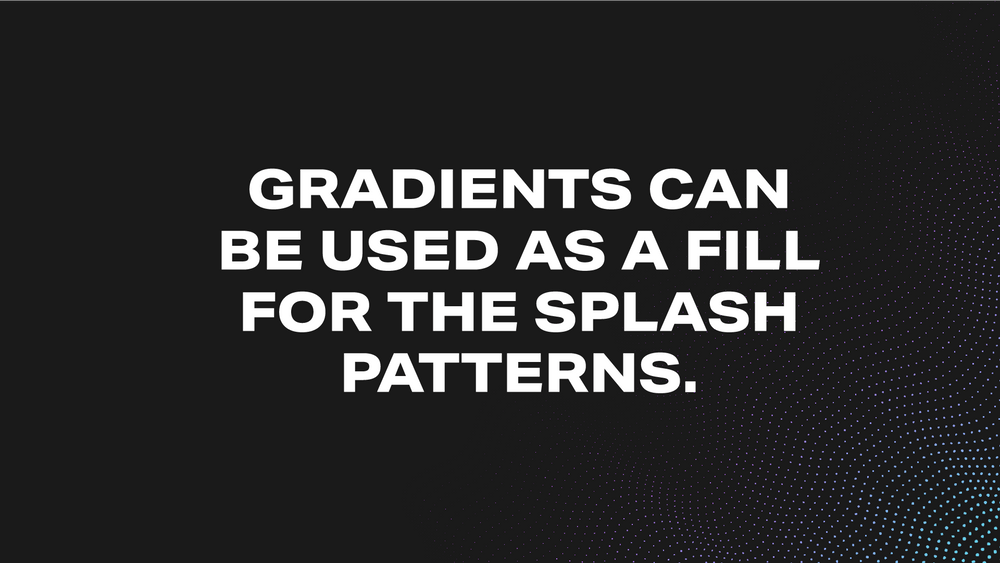
Gradients can be used as a fill for the Manto Patterns.

Don’t force a gradient into a composition. If it’s not working, leave it out.

Contrast

When using our colors in design, keep in mind how contrast may affect legibility. The following diagram demonstrates color contrast relationships. Use this as a starting point when combining colors.

Text should maintain ample contrast with the background.

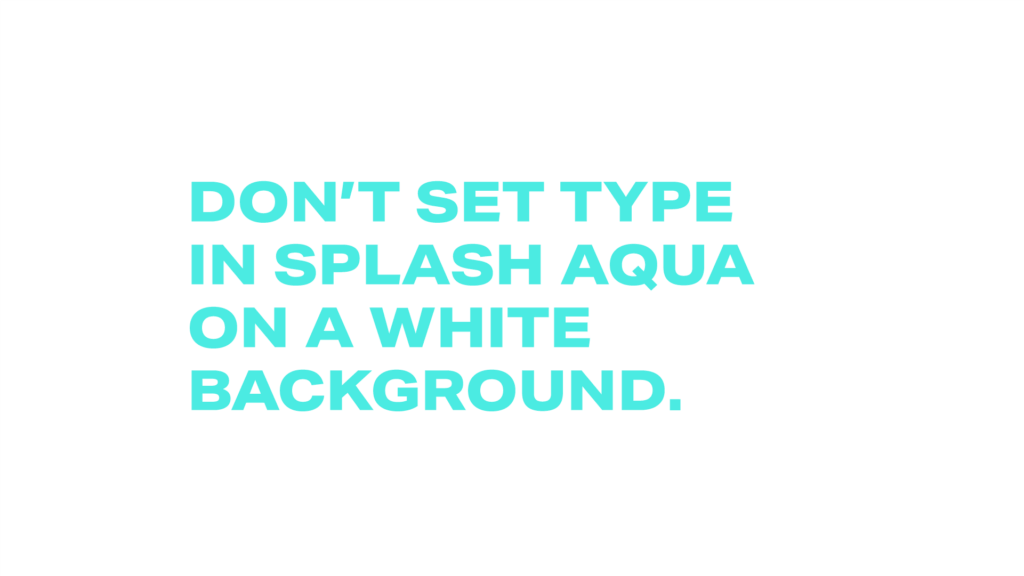
Don’t set type in Manto Aqua on a white background.

Always limit color usage to the main palette and single spot color.

Don’t use more than one spot color per composition.

Keep colored elements to a minimum. A maximum of 2 color elements (gradients, patterns, or spots) per piece.

Don’t overuse colored gradients, patterns or spots. Simple is better.

 Next

PHOTOGRAPHY

For any questions about using these guidelines, please contact:

ASSET LIBRARY

Back to top